Harnessing Renewable Energy through Carport Solar Systems: Function and Benefits
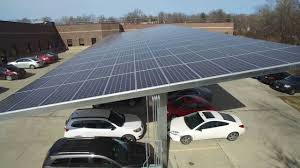 Pittsburgh carport solar systems represent an innovative solution at the intersection of energy sustainability and infrastructure optimization. These structures are designed to serve a dual function: to protect parked vehicles from environmental exposure while simultaneously supporting solar photovoltaic (PV) panels that harness sunlight and convert it into usable electrical energy. This dual-purpose utility makes solar carports an increasingly attractive option for both residential and commercial applications. In contrast to ground-mounted solar installations, carport solar systems utilize the already allocated parking spaces, making them a highly efficient use of space in urban and developed environments. This land efficiency is particularly valuable in cities and institutional campuses where space constraints limit the feasibility of conventional solar arrays.
The basic function of a carport solar system is centered around the photovoltaic process. Solar panels mounted on the roof of the carport absorb sunlight and generate direct current (DC) electricity, which is then converted into alternating current (AC) through an inverter. This electricity can be used to power nearby buildings, charge electric vehicles (EVs), or be fed into the grid under net metering agreements, depending on the system’s configuration and local energy policies. By generating electricity on-site, solar carports help reduce the dependence on fossil fuels and centralized power generation, leading to more decentralized, resilient, and environmentally friendly energy systems.
One of the most compelling advantages of carport solar installations is their economic viability. Although the initial cost of solar panel construction and installation can be significant, the long-term savings in energy costs often justify the investment. Many governments and local utilities offer tax credits, rebates, and incentives that further reduce the upfront cost of solar projects. Additionally, solar carports contribute to long-term cost savings by reducing electricity bills, especially for commercial entities with high daytime energy usage, which aligns with the peak production hours of solar panels. Over time, these savings can outweigh the installation costs, delivering a strong return on investment. Furthermore, carport solar structures can be integrated with energy storage systems, allowing excess energy to be stored and used during non-sunny periods or during peak utility rates, enhancing both efficiency and financial returns.
From an environmental perspective, carport solar systems play a crucial role in promoting sustainability. The generation of solar energy does not emit greenhouse gases, making it a clean alternative to fossil-fuel-based power. By reducing the carbon footprint of energy consumption, solar carports contribute to mitigating climate change and improving air quality. This is particularly important in densely populated urban areas, where vehicle emissions and industrial activity already contribute to significant environmental degradation. Moreover, the integration of solar power with electric vehicle charging stations supports the broader transition to clean transportation, further amplifying environmental benefits. The reduced dependence on coal and natural gas also alleviates the strain on ecosystems affected by mining and drilling operations.
The practical benefits of solar carports extend beyond energy generation. These structures offer protection for vehicles against environmental hazards such as ultraviolet radiation, rain, hail, and snow, which can degrade a vehicle’s exterior and reduce its lifespan. By shielding vehicles from these elements, carport solar systems help reduce maintenance and repair costs for vehicle owners. Additionally, shaded parking areas improve driver comfort by reducing the interior temperature of vehicles, especially in hot climates, which can lead to decreased reliance on vehicle air conditioning and therefore marginal fuel or battery savings.
On a broader societal level, the implementation of carport solar systems is a visible and impactful demonstration of a commitment to sustainability. Organizations, schools, businesses, and municipalities that invest in solar carports signal their alignment with environmental values, which can enhance public perception and stakeholder trust. In educational institutions, for instance, solar carports can serve as real-world demonstrations of renewable energy technology, contributing to environmental literacy and student engagement in science, technology, engineering, and mathematics (STEM) disciplines. In commercial settings, they can serve as a branding tool that aligns a company’s image with innovation and environmental responsibility, potentially influencing consumer behavior and employee satisfaction.
The scalability and adaptability of carport solar systems also add to their appeal. These systems can be customized to fit small residential driveways or scaled up for large commercial or industrial parking lots. They can also be combined with smart technologies, such as automated lighting, surveillance systems, and advanced monitoring tools that optimize energy usage and ensure the system’s efficiency over time. As solar technology continues to advance and become more affordable, the potential for widespread adoption of solar carports increases, making them a crucial component in the transition toward sustainable energy infrastructure.
In conclusion, carport solar systems offer a comprehensive solution that merges energy production with practical utility. They provide an efficient means of generating renewable energy, deliver significant economic and environmental benefits, and enhance the usability and value of parking infrastructure. As the global demand for clean energy continues to grow, integrating solar technology into everyday structures like carports represents a strategic and sustainable step forward in addressing both climate and energy challenges.